Creating a home office space that is both cozy and functional can significantly improve your work experience. Whether you work remotely full-time or just need a dedicated spot for occasional tasks, designing an inspiring and practical workspace is essential. In this post, we’ll share tips to help you set up a home office that feels comfortable and keeps you productive.
Why a Cozy and Functional Office Matters
A home office should be more than just a desk and chair. When your workspace is thoughtfully designed, you’re more likely to stay motivated, focused, and efficient. Comfort and functionality go hand in hand—coziness invites you to spend time working without distractions, while functionality ensures everything you need is within reach.
Choosing the Right Location
Prioritize natural light
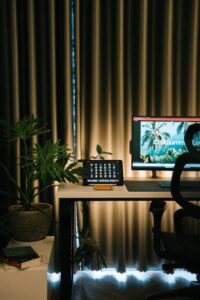
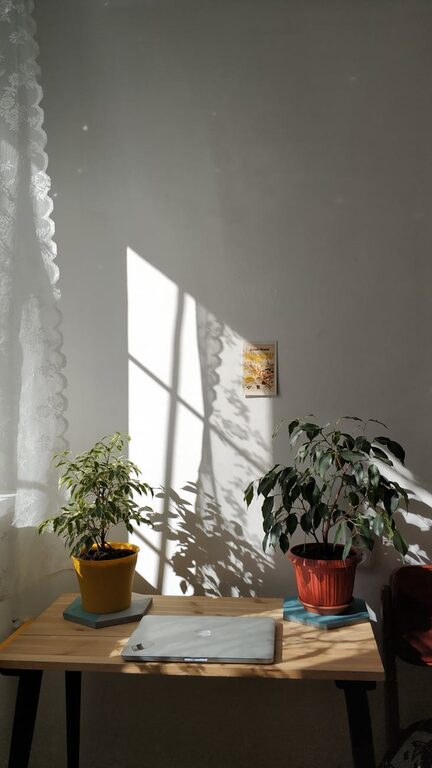
Whenever possible, choose a spot with plenty of natural light. Exposure to daylight can improve mood and energy levels, making your workday brighter. Position your desk near a window but avoid glare on your computer screen by using adjustable blinds or curtains.
Consider privacy and quiet
Your office should be in a quiet area of your home, away from high-traffic zones and distractions. If space is limited, think about using room dividers or noise-canceling headphones to create a personal bubble.
Selecting Comfortable Furniture
Invest in an ergonomic chair
Comfort starts with a good chair. Choose one that supports your lower back and encourages good posture. Adjustable features like seat height, armrests, and lumbar support are valuable for long hours of work.
Opt for a suitable desk
Your desk should fit the space and your work style. If you need multiple screens, storage, or paperwork space, select a desk that accommodates those needs without overcrowding the room.
Add soft accessories
Incorporate cushions, rugs, or a cozy throw blanket to soften the look and feel. These small touches can make your office feel inviting and less clinical.
Organizing for Efficiency
Use storage solutions
Clutter can reduce productivity and increase stress. Use shelves, filing cabinets, and organizers to keep your supplies tidy. Label containers and files for quick access.
Keep essentials close
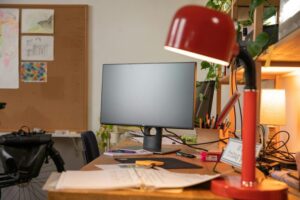
Arrange your frequently used items—pens, notebooks, chargers—within arm’s reach. A desktop organizer can help, but avoid overcrowding your workspace.
Manage cables
Loose cables create visual clutter and hazards. Use cable clips, ties, or under-desk trays to keep wires neat and out of sight.
Personalizing Your Space
Choose calming colors
Colors impact mood and concentration. Soft neutrals like beige or light gray create a calm environment, while blues and greens can reduce stress. Add pops of your favorite colors through accessories.
Decorate thoughtfully
Add personal touches such as photos, artwork, or plants. Houseplants not only brighten the space but also improve air quality and promote relaxation.
Control lighting for comfort
Beyond natural light, include layered lighting options: a bright overhead light for general tasks, a desk lamp for focused work, and perhaps some ambient lighting like string lights or candles for coziness.
Technology Tips
Invest in reliable equipment
A good internet connection, quality headset, and up-to-date computer hardware help prevent tech frustrations and keep you efficient.
Use a second monitor
If your work involves juggling multiple applications, a second screen can save time and reduce eye strain.
Take breaks to reduce screen fatigue
Incorporate regular breaks following the 20-20-20 rule: every 20 minutes, look at something 20 feet away for 20 seconds.
Maintaining a Healthy Work-Life Balance
Set clear boundaries
Designate your workspace as “work only” to mentally separate professional tasks from personal life. When the workday ends, leave the office space to relax.
Incorporate movement
Desk exercises or a standing desk option can encourage movement during the day, helping reduce fatigue.
Keep the space fresh and inspiring
Regularly declutter and rearrange your home office to maintain an environment that inspires creativity and productivity.
Final Thoughts
Designing a home office that balances coziness and functionality takes a bit of planning but pays off in comfort and productivity. Focus on creating a space that suits your personal work style and preferences. With the right location, furniture, organization, and personal touches, your home office can become a place you enjoy spending time in every day.
Remember, your home office is your personal work haven. Tailor it to your needs and enjoy the benefits of a comfortable, efficient workspace.